

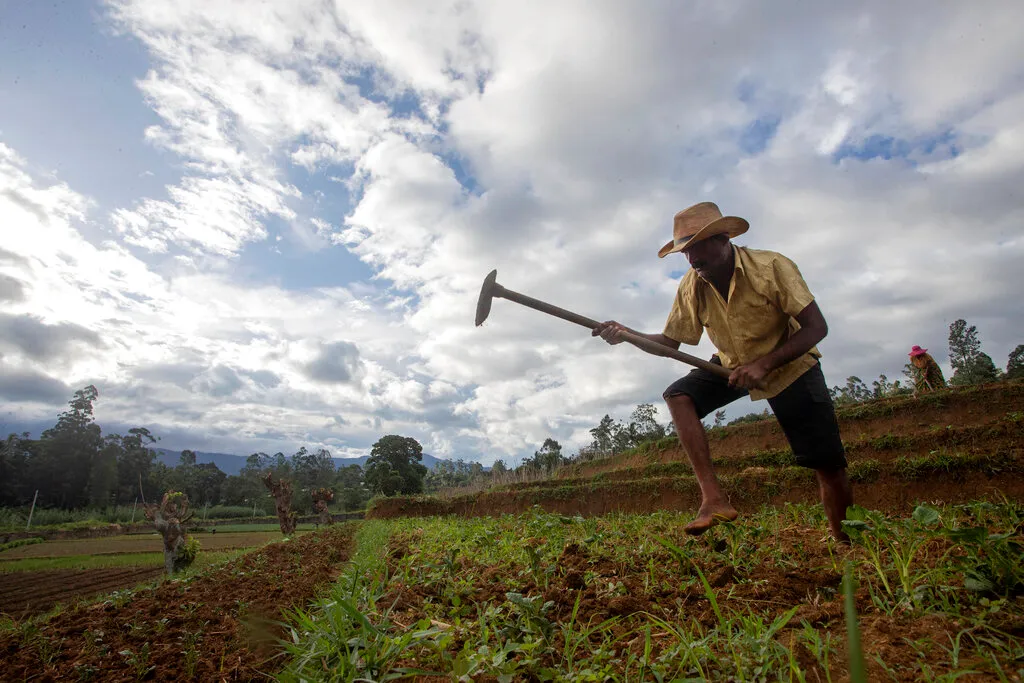
Iran’s blockade of the Strait of Hormuz could have a devastating effect on the world’s food supply, driving up grocery prices and sending impoverished countries into food insecurity.
The main focus of the blockade has been its impact on oil prices, but its effects on downstream industries, such as fertilizer, are even more dangerous.
Trending: ‘It’s Almost Treasonous’: President Trump Calls Out Media Over ‘Fake News’ About Iran
Beginning in the 1960s, in an effort to diversify their economies, the Gulf countries invested heavily in their fertilizer industries, leveraging their abundant natural resources. Foreign fertilizer companies began flocking to Dubai in the United Arab Emirates, drawn by low taxes, a favorable geographic location, and the city’s seamless air and sea transport hubs.
The Gulf’s investment in fertilizer paid off, as by 2026, much of the developing world was reliant on Gulf fertilizers. Three of the top ten global urea exporters, the world’s most commonly used nitrogen-based fertilizer, are located within the Persian Gulf. One-third of
Continue reading
Join the conversation!
Please share your thoughts about this article below. We value your opinions, and would love to see you add to the discussion!