

OAN Staff Jenna Lee
6:32 PM – Friday, April 24, 2026
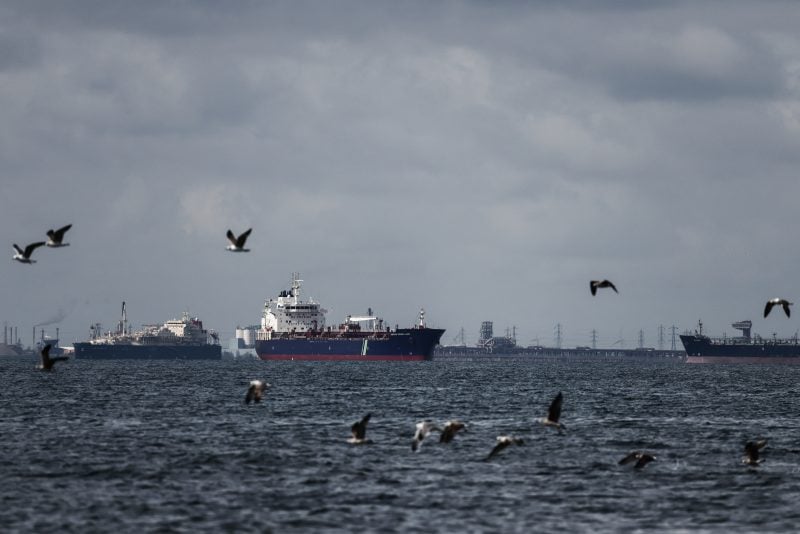
The Trump administration announced that a waiver of the Jones Act will be extended for another 90 days to lower fuel prices and to make it easier to ship oil, fuel, and fertilizer around the nation amid the conflict in Iran, which is in its second month.
The waiver, initially set to expire on May 17th, will allow foreign vessels to move goods through U.S. ports until mid-August.
“This waiver extension provides both certainty and stability for the US and global economies,” stated Taylor Rogers, a White House spokeswoman. “The Trump administration has taken several actions to mitigate short-term disruptions to the energy markets, and this extension will help ensure vital energy products, industrial materials and agricultural necessities are maintained.”
Rogers shared how the waiver, since it took effect on March 18th, has enabled more supply to be received through U.S. ports on X.
Driven by fuel costs and the strategic closure of the Strait of Hormuz, the administration took action to stabilize the energy market.
At the time of this decision, the global energy landscape was under significant strain, with Brent crude trading at $105 per barrel and West Texas Intermediate (WTI) reaching $95, while the national average for gasoline hit the $4 per gallon mark.
To alleviate these pressures, the president issued a temporary waiver of the 1920 Jones Act, a federal statute that normally mandates all goods transported between domestic ports be carried on vessels that are U.S.-built, U.S.-owned, and U.S.-flagged.
This targeted exemption applies to a broad range of energy-related commodities, including crude oil, coal, natural gas, refined petroleum products, and fertilizers.
Government records indicate that the waiver, originally enacted in March, has already facilitated the domestic transport of diverse cargoes such as renewable diesel, ammonia, ethanol, and gasoline to key states including California, Florida, Pennsylvania, and South Carolina.
Recognizing the continued volatility of the market, a White House official confirmed that the Trump administration is extending this waiver three weeks ahead of its scheduled expiration.
This proactive extension is designed to provide the maritime industry with the necessary lead time to secure sufficient vessel capacity, ensuring that critical energy derivatives continue to reach their destinations without further logistical bottlenecks.
Stay informed! Receive breaking news alerts directly to your inbox for free. Subscribe here. https://www.oann.com/alerts
What do YOU think? Click here to jump to the comments!
Join the conversation!
Please share your thoughts about this article below. We value your opinions, and would love to see you add to the discussion!