

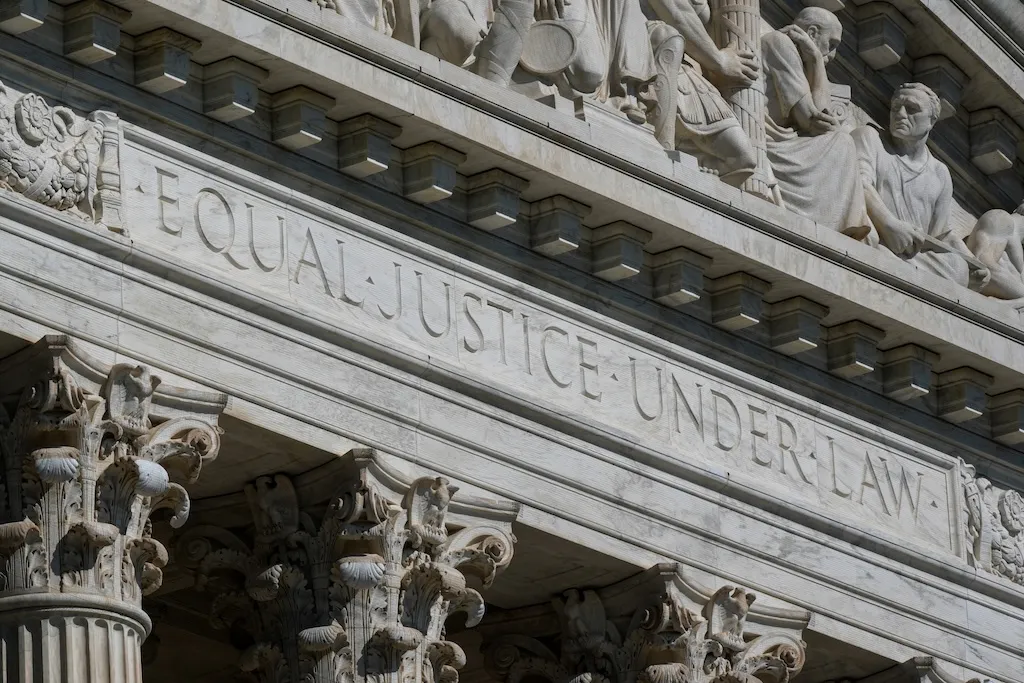
The Supreme Court will soon decide a case that could upend the balance built into a bipartisan law that has accelerated the launch of generic drugs and saved American patients, employers, and taxpayers trillions of dollars in recent decades — while still incentivizing biopharmaceutical companies to research and develop medicines in the first place.
The stakes of the case, Hikma Pharmaceuticals USA Inc. v. Amarin Pharma, Inc., extend well beyond the two companies involved. The ruling could have a dramatic effect on incentives to invest in researching additional uses for FDA‑approved medicines.
Trending: Report: Teen Brain Dead After Falling from Car During Celebration After San Antonio Spurs’ Win
At the center of the dispute is the “skinny label,” a mechanism created by the Hatch-Waxman Act. The 1984 law established the modern regulatory framework for approving generic drugs. And it helped ensure that once an innovator’s patents on an originally-approved drug product expire, a generic manufacturer may market and sell a chemically identical, far cheaper version — but only
Continue reading
Join the conversation!
Please share your thoughts about this article below. We value your opinions, and would love to see you add to the discussion!