

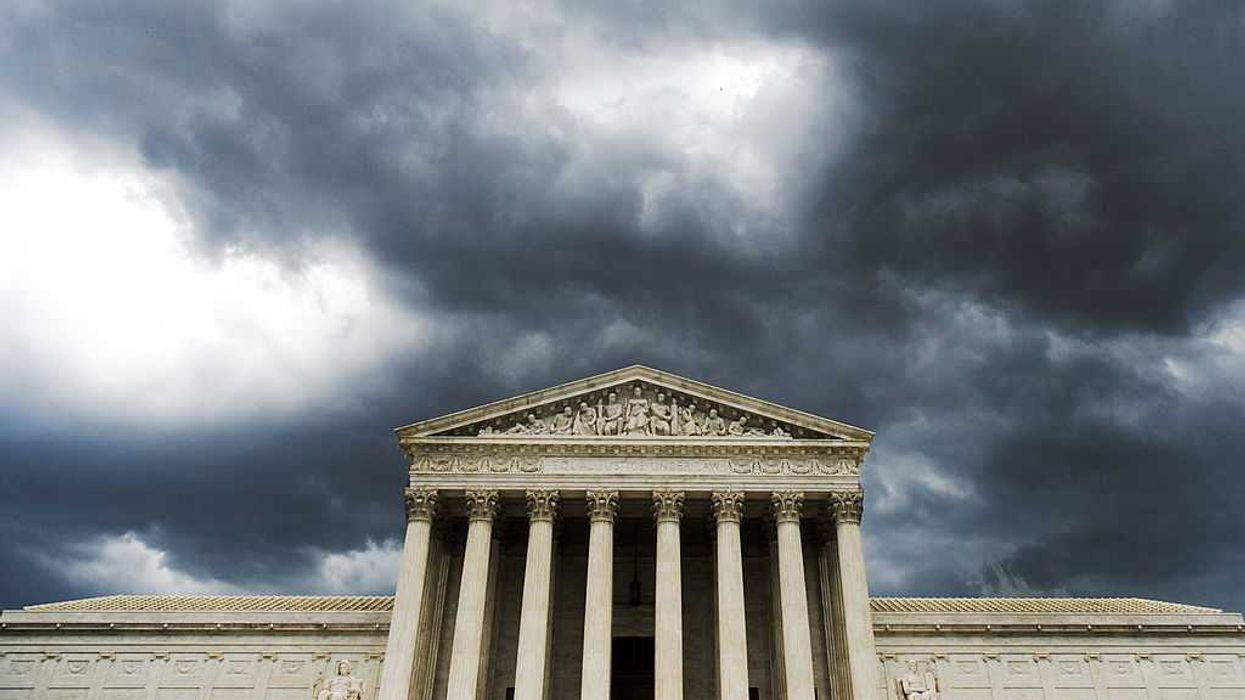
Chief Justice John Roberts begins the Supreme Court’s birthright citizenship opinion in Westminster in 1608 with Calvin’s Case and the English law of royal subjectship.
I would begin in Philadelphia in 1776.
English law rested upon allegiance to the Crown. The American Republic would rest upon the consent of a self-governing people.
Trending: Senate Leaders and President Trump’s White House Push for a July Crypto Vote
Between those two places — and those two moments — lies the American Revolution. And the Revolution changed more than who governed America. It changed the very foundation of political membership.
That is the central problem with the Supreme Court’s decision in Trump v. Barbara. The court’s opinion is learned, careful, and historically rich. Chief Justice Roberts traces the English doctrine of jus soli through Calvin’s Case, Blackstone, a substantial body of antebellum American authorities, and finally
Continue reading
Join the conversation!
Please share your thoughts about this article below. We value your opinions, and would love to see you add to the discussion!