

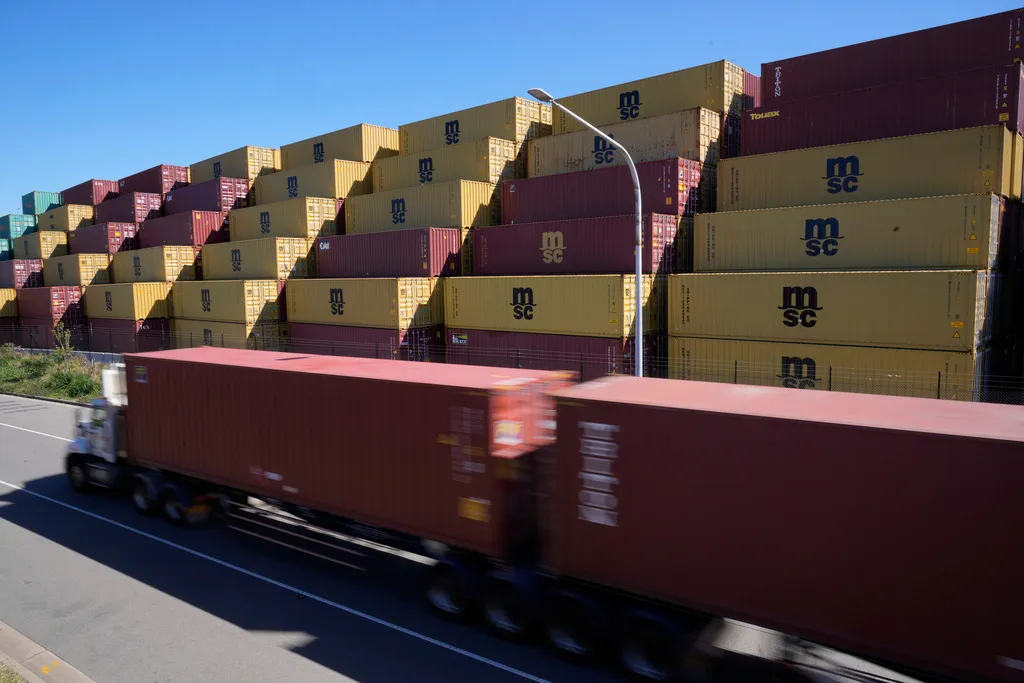
Picture a supply chain where goods move continuously across the country, less constrained by driver fatigue, rigid schedules, and mandatory rest periods. Trucks that don’t get drowsy at 2 a.m., don’t miss braking cues, and don’t sit idle simply because a human operator has reached the end of a shift. The result could be fewer accidents, faster deliveries, and lower costs on everything from groceries to construction materials.
The future of American freight is already taking shape in the form of autonomous trucking. But it will arrive only if policymakers refuse to let special interests use regulation to freeze yesterday’s labor model into law.
Trending: Veteran TV Star Says Hollywood Turned on Him for Protecting His Marriage
That tactic is not new. For decades, transportation unions have sought rules requiring more workers than the work itself demands. In the railroad industry, the practice was long known as “featherbedding” — the use of labor rules to preserve jobs even when technology or changing operations made them
Continue reading
Join the conversation!
Please share your thoughts about this article below. We value your opinions, and would love to see you add to the discussion!